Turn Housework Into Movement You Actually Enjoy
Today we explore smart home prompts for exercise—timers and wearables that cue movement during housework—and how subtle cues can transform chores into energizing micro workouts. We will map practical setups, safe movements, data loops, and real stories, so your home nudges you kindly toward consistency, strength, and brighter daily momentum, without extra gym time or complicated planning. Expect tangible steps, approachable ideas, and an encouraging path from intention to action.
Habit Loops That Nudge You to Move
Tiny prompts can unlock consistent movement because they live where your routines already happen. When a dishwasher cycle ends, a light flash or gentle chime can cue two minutes of squats. This supports non exercise activity thermogenesis, stacking coordination, mobility, and mood benefits onto tasks you already do. Thoughtful cues remove friction and help your brain connect action with an immediate, satisfying feeling of progress.
Cues you can hear, see, and feel
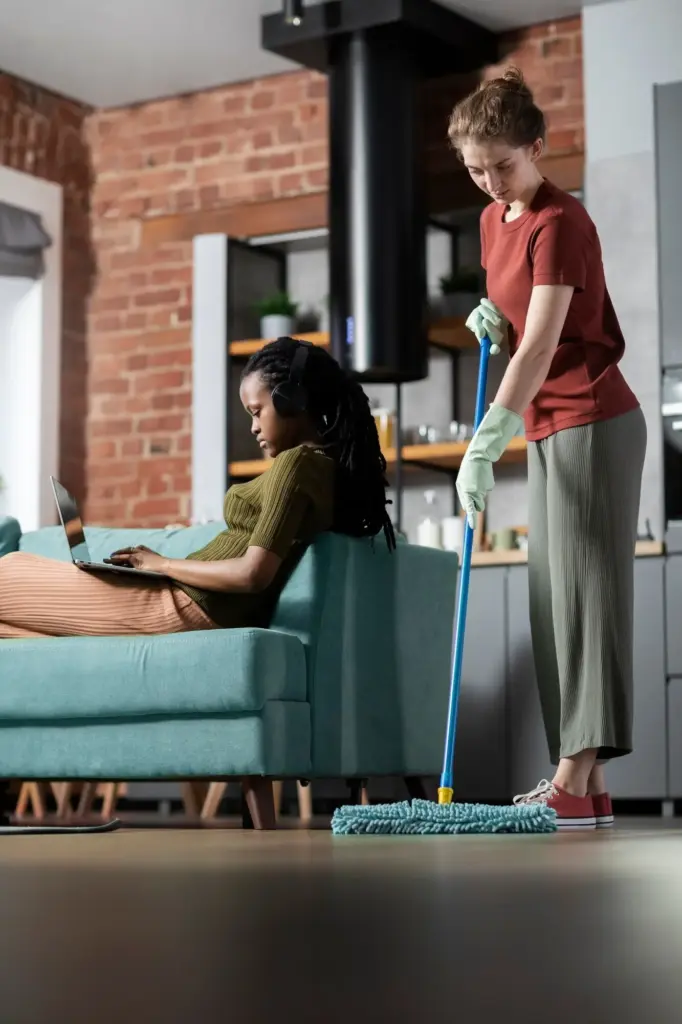
Haptics from a watch, a subtle smart bulb blink, or a pleasant timer tone can each act as a reliable signal to start moving. Multisensory prompts work best because different moments need different reminders. A kitchen timer beep pairs well with counter push ups, while a laundry notification buzz invites hinges, calf raises, or shoulder rolls. Keep cues friendly, consistent, and short, so you look forward to responding.
From NEAT to measurable energy burn
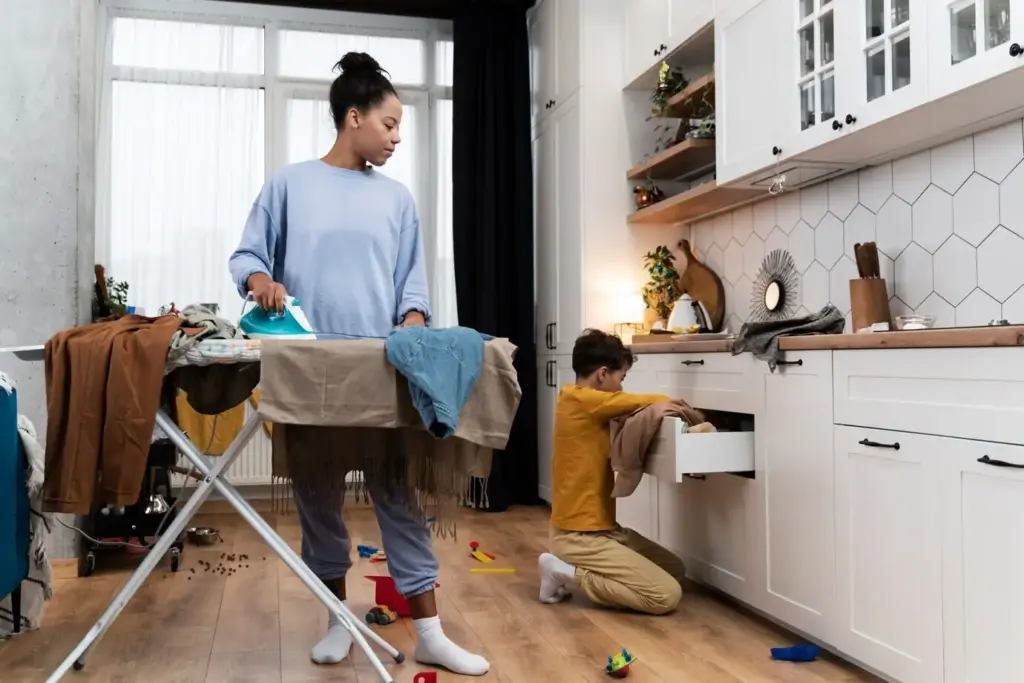
Movement sprinkled through chores fuels non exercise activity thermogenesis, which may account for a meaningful slice of daily energy use. While numbers vary, the reliable win lies in consistency. Ten micro sets spread across a day improve circulation, posture awareness, and mood. The goal is accumulation, not exhaustion. Measurable gains appear in streaks, step count, steadier energy, and gradually easier chores that once felt heavy or draining.
Timers That Sync With Cleaning Routines
Timers transform vague intentions into specific action windows. Set intervals that match chore rhythms, like forty five seconds on, twenty seconds off while wiping counters or dusting shelves. Use voice assistants to schedule gentle chimes across your day, or run flexible sequences that adjust if a task runs long. The structure helps you start, while the brevity keeps everything approachable and safe within busy, real world home life.
Interval ideas for every room
Pair bathroom scrubbing with lunge holds, alternating legs each interval. During kitchen resets, rotate push up angles on the counter, followed by supported hip hinges to remind your back how to move well. Folding laundry invites calf raises and shoulder external rotations using a light band. Vacuuming pairs with walking lunges between rooms. Finish each block with relaxed breathing, letting effort fade so the next cue feels inviting.
Voice assistants as your co pilot
Create routines that announce short movement nudges between chores, like a simple chime followed by a friendly line encouraging ten slow squats or a gentle spine extension. Schedule sequences to align with mornings, mid afternoon slumps, or evening resets. Use conditional timing, so if music is playing, the assistant switches to a silent light flash instead. Keep phrasing empathetic and brief, so prompts feel supportive and never scolding.
IFTTT and Shortcuts automations
Connect washer cycle completion to a two minute mobility flow, or trigger a kitchen timer when the oven preheats to guide wall sits while you wait. Use an automation to start a vibration reminder if no steps are detected for thirty minutes during chores. Keep actions stackable, reversible, and easy to pause. The best automations quietly serve your day, meeting you where you are, without adding stress.
Smart alerts with purpose

Replace generic stand reminders with context aware nudges. After a timer ends or a device stops running, let a distinct buzz suggest a chosen move. Use milder patterns early in the day and slightly firmer patterns when energy dips. Keep messages short and supportive, emphasizing how little time is needed. When alerts feel considerate and specific, you will respond more often, building trust in your cues and your body.
Micro sessions you can track
Log short sets as quick workouts or tags, so wins are visible without cluttering your history. A thirty second hinge, a minute of counter push ups, then relaxed breathing still count. Over a week, these add up to noticeable stamina. Reviewing a simple list of completed prompts reinforces identity and consistency. The data does not need to be perfect; it only needs to be honest and encouraging.
Build gentle progressive overload
Increase difficulty slowly by adding a few seconds, an extra rep, or a new plane of motion every week. On days you feel tired, maintain frequency while reducing intensity. Let heart rate variability or sleep metrics influence the day’s targets. Sustainable progress respects recovery while honoring momentum. By moving a little more, a little better, you strengthen joints, confidence, and everyday capacity, especially during the chores you already do.
Designing Safe, Joyful Micro Workouts
Safety keeps movement repeatable and enjoyable. Favor stable surfaces, supportive footwear, and clear floors. Choose joint friendly variations, like supported squats and hip hinges with a countertop. Keep breathing smooth, avoid breath holding, and stop before form breaks. Prioritize pain free ranges, gradual warm ups, and relaxed finishes. These micro workouts should refresh your day, not dominate it, helping you feel capable, upright, and ready for whatever comes next.
Data That Changes Behavior
Data should feel friendly and useful, not overwhelming. Track only what helps decisions: prompts answered, total minutes, and a simple readiness note. Visualize progress with streaks and weekly summaries, then adjust goals to match real life. Celebrate consistency more than intensity. Over time, these small, honest numbers tell a powerful story of capability, guiding you toward sustainable routines that remain flexible when schedules, energy, or responsibilities change unexpectedly.
A simple score that matters
Assign one point for every prompt you answer throughout the day. Aim for a weekly target rather than perfection. Badges for five day streaks or new moves keep things fresh. If you miss a cue, no worries; the next one is coming. This uncomplicated score reflects reliable action more than maximal effort, which is exactly what builds long term change without burnout or the guilt that can derail progress.
Charts you actually read
Use a weekly bar chart for total micro session minutes and a line chart for average prompts answered per day. Add a small note about energy or sleep to interpret trends. Keep colors calm and legible. Review on Fridays to decide one small adjustment for next week. Simplicity encourages reflection. When graphs are easy to understand, they guide better choices and gently motivate more consistent, manageable action.
Respecting privacy without losing insight
Keep detailed logs on your device and share only summaries if you join a friendly challenge. Anonymize data displayed on a smart screen and use local automations when possible. Remember that your body’s signals outrank numbers. If metrics climb while you feel worse, slow down. If numbers dip but you feel better, trust that. The goal is stewardship of your wellbeing, not surveillance, comparison, or unnecessary pressure.
Maya the multitasking parent
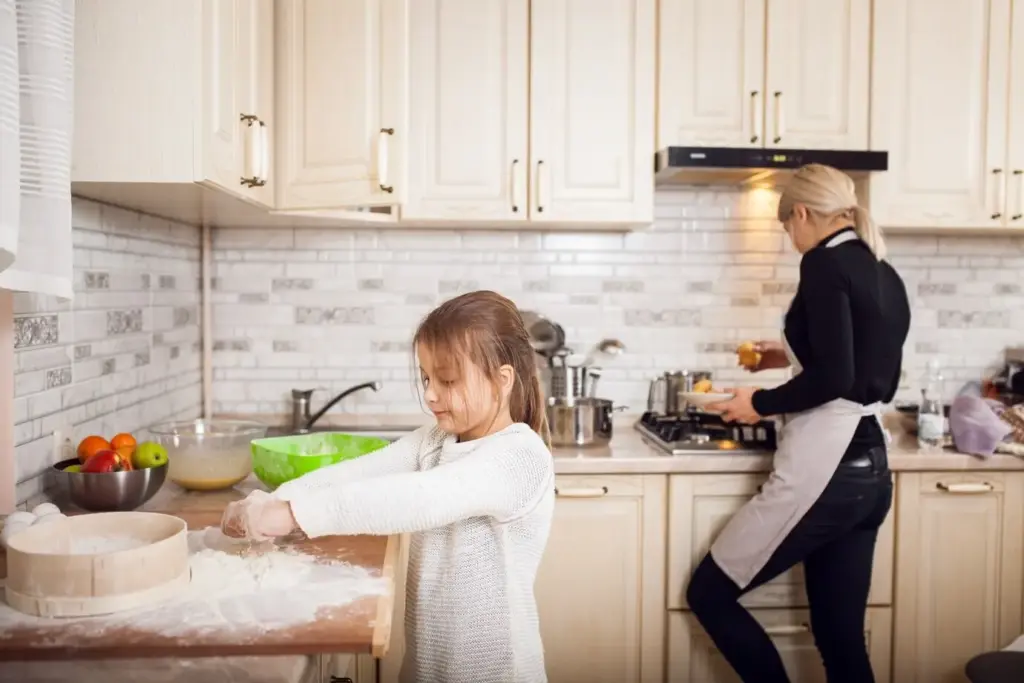
Mornings were chaotic until Maya linked light kitchen chores to quick mobility cues. A gentle watch buzz after the toaster popped meant three slow hinges and two deep breaths. Within a month, back stiffness eased, and afternoon slumps shortened. Children joined occasionally with playful balance holds, turning cleanup into a short game. Maya kept a small tally near the fridge, proof that tiny, repeatable choices can outpace stress.
Jorge working from a studio apartment

Jorge struggled with long sitting stretches. He set the kettle to trigger a soft chime on his display, then did ninety seconds of ankle rocks, neck nods, and wall pushes before tea. The signal repeated after laundry cycles, prompting hinges and calf raises. He noticed fewer headaches and steadier mood by week three. The apartment did not grow, but his capacity inside it certainly did, one cue at a time.
Sam and Noor roommates who gamified dusting
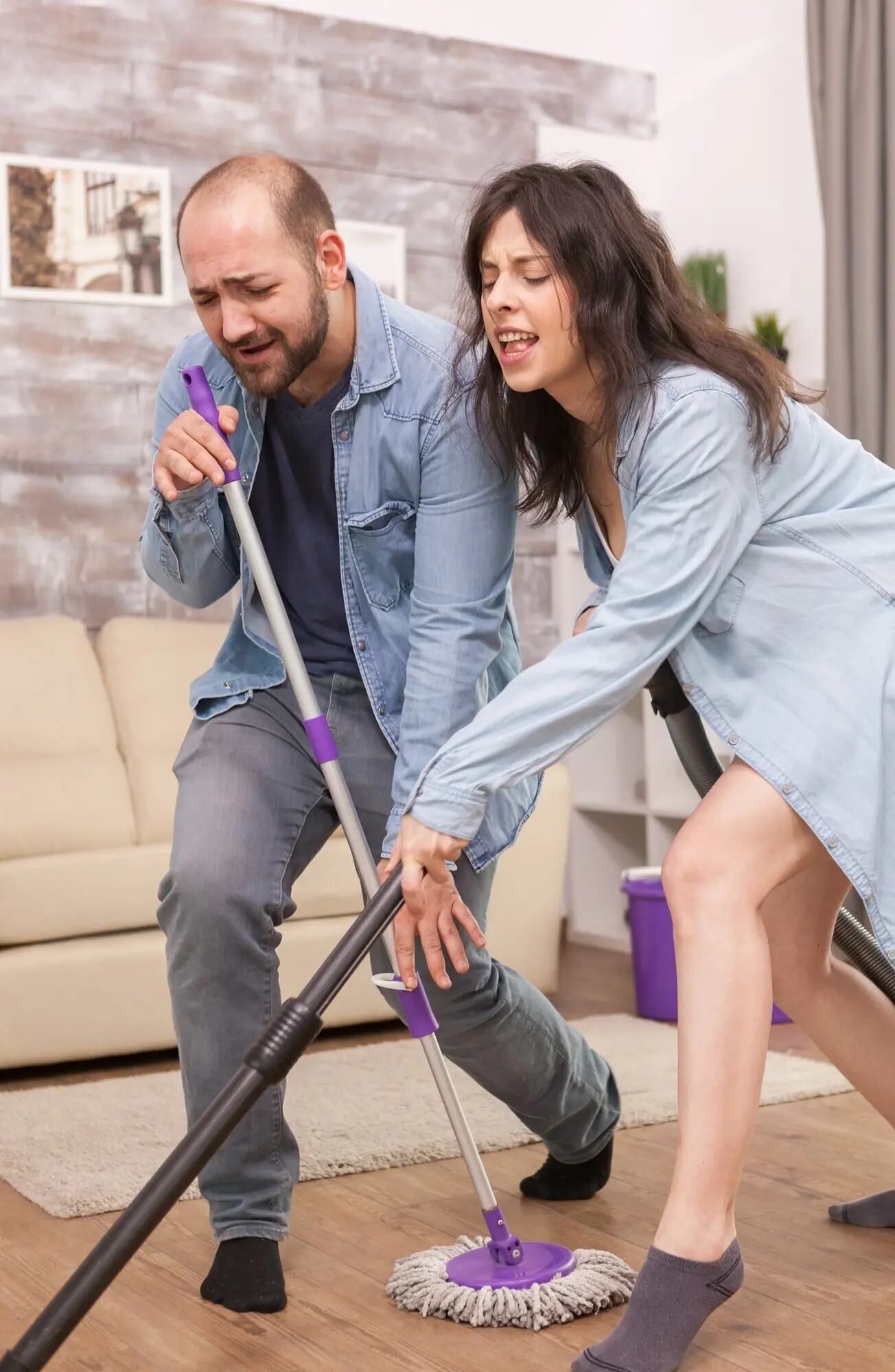
They created a scoreboard on their smart display, awarding points for answered prompts during weekend resets. Each completed cue added a playful sticker and a short victory sound. Dusting breaks included split stance holds and shoulder openers with a light band. The apartment stayed cleaner, and both felt less sore on Mondays. Competition softened into camaraderie, proving that fun, flexible systems keep everyone engaged without pressure or judgment.
Join the Movement at Home
You do not need more time, only better prompts. Start with one timer and one wearable alert tied to a chore you already do, then celebrate every response. Share your experiments and questions, subscribe for new automation ideas, and invite a friend to join. If you have medical conditions, consult a professional before changing activity. Small, kind steps taken today become the steady foundation for tomorrow’s stronger, happier you.
All Rights Reserved.