Stronger Together: Turning Chores into Playful Power Bursts

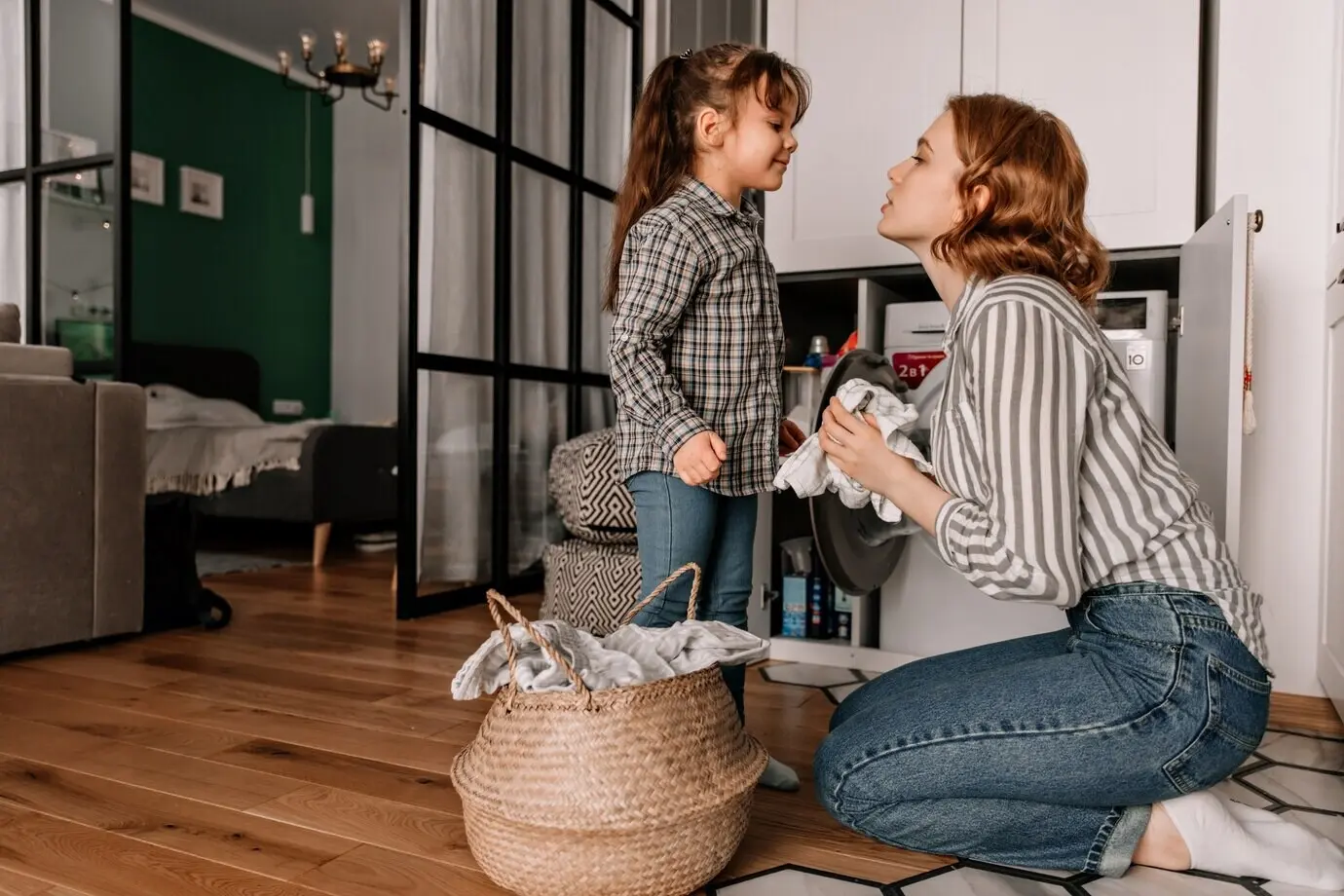
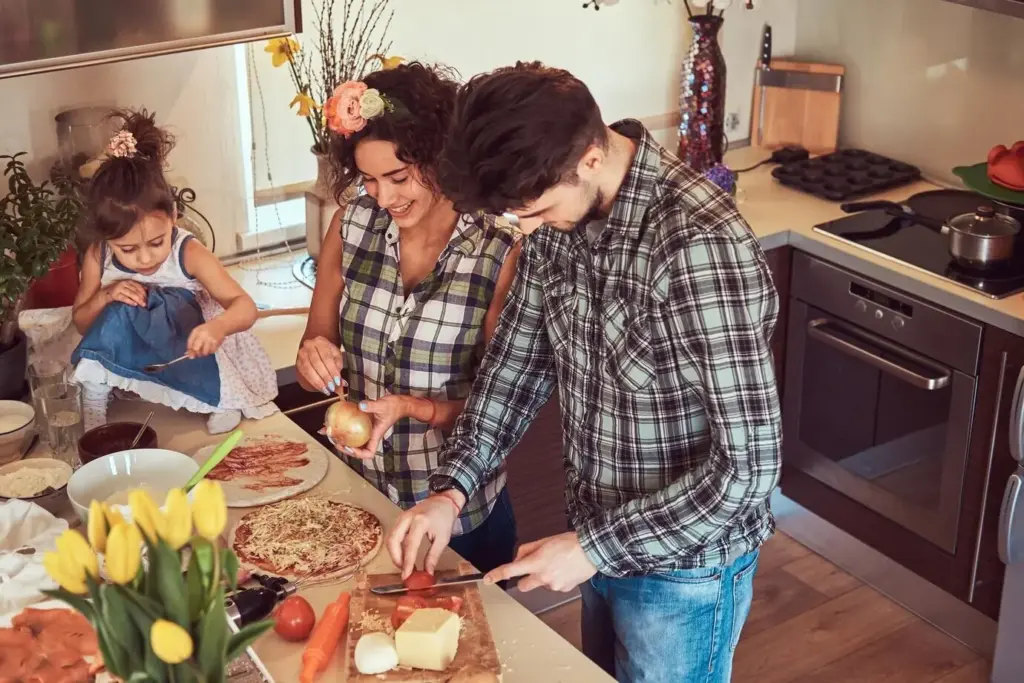
Welcome to an energetic approach where family challenge routines weave mini workouts directly into kids’ chore charts. We explore how cheerful, thirty-to-ninety-second moves attach to everyday tasks like dishes, laundry, and tidying, creating momentum, confidence, and giggles. Expect practical templates, safety tips, gamified motivation, and real stories proving that tiny, consistent efforts build strong bodies, calmer minds, and happier teamwork without stealing time from homework, rest, or cherished rituals. Jump in, try a few today, and tell us what sparks smiles at your place.

Blueprint for Energized Chore Charts

Design a household rhythm where daily responsibilities naturally cue short, fun movements. Pair specific tasks with micro-exercises that make sense for the motion and space, scaling intensity by age and mood. Keep equipment optional, instructions simple, and timing predictable. Anchoring actions to existing routines reduces decision fatigue, builds confidence through repetition, and keeps the family’s energy bright. With clarity, consistency, and a little whimsy, even reluctant helpers feel proud of progress, while parents enjoy smoother flow, fewer reminders, and more cheerful high-fives.

Age-Right Micro Moves

Match movements to developmental stages so kids can succeed safely and joyfully. Little ones thrive on animal walks and balance challenges; older kids benefit from squats, wall sits, planks, or jump-rope bursts. Keep reps low, form clear, and rest built in. Demonstrate first, practice together, and invite kids to modify without shame. Progress by tiny steps: add five seconds, one rep, or a playful twist. Celebrate effort and steady form over speed, making growth visible and repeatable.

Habit Stacking That Sticks

Link every micro workout to a reliable cue already living in your day: after brushing teeth, before snack, once shoes are on, or right after the dishwasher opens. Clear triggers eliminate negotiation and reduce friction. Use simple language cards near task stations to refresh memory. Keep first weeks unbelievably easy so success feels automatic. Reinforce identity with phrases like, “In this house, we move a little while we help.” Over time, the cue becomes the coach, and the routine carries itself.

Form, Safety, and Warm-Up

Teach fundamentals gently: tall posture, aligned knees, relaxed shoulders, and controlled breathing. Start each session with ten playful seconds of marching, arm circles, or toe taps to wake the body. Offer stable surfaces for balance, avoid slippery floors, and keep pathways clear. Encourage kids to stop if something hurts, swap a movement, or take a sip of water. Model mindful effort rather than intensity contests. Safety isn’t a lecture but a culture, woven through smiles, reminders, and consistent, calm coaching.

Points With Purpose

Assign simple, transparent values to actions: two points for a chore, two more for a mini workout, plus a bonus for steady form. Keep the math friendly and the ledger public so kids can see progress. Trade points for experiences, not things—like choosing a weekend playlist or planning a picnic stretch break. Purposeful points teach patience, persistence, and shared responsibility. When the scoreboard honors kindness and helpfulness alongside movement, the game stays meaningful and inclusive for every participant.

Friendly Boards and Cooperative Wins

Create a shared board where family totals rise together. Introduce weekly team goals—such as completing all laundry tasks with mobility moves three times—so siblings cheer for one another’s success. Cooperative wins replace rivalry with encouragement and strategy. When the household unlocks a milestone, celebrate with a living room dance-off or storytelling cooldown. This spirit builds resilience, because everyone learns to adjust, cover for someone’s tough day, and still hit the target. The board becomes a memory wall of small victories.

Tiny Bursts, Big Consistency

Short movement snacks layered onto chores thrive when times are predictable. Map mornings, after-school transitions, and evenings so everyone knows when the body will switch on and when it will settle down. Align moves with the purpose of that part of day—energizing in the morning, focusing after school, calming at night. Keep buffers for surprises and choose a weekly reset time to adjust. When timing fits the family’s real rhythm, consistency becomes natural, and stress quietly fades away.

Mornings That Start On-Beat

Warm the day with gentle, upbeat sequences tied to breakfast cleanup or bed-making. Think tiptoe reaches, marching knees, counter push-ups, or playful calf raises while setting the table. These moves spark blood flow without overstimulation, helping kids feel alert yet steady. Pair with bright music and tiny, achievable goals. If mornings run late, scale to a single joyful move and a high-five. The purpose is a confident launch, not perfection, creating a dependable, friendly rhythm that welcomes the day.

After-School Reset Ritual

Transform the transition slump into focused momentum by attaching two swift moves to backpack unloading or snack prep. Try wall sits and deep breaths, or jump-rope bursts followed by a balance challenge. Movement clears mental cobwebs, reconnects the body, and eases irritability. Keep hydration nearby and avoid comparisons after a hard day. End with a quick intention—one sentence about homework, kindness, or fun. This ritual signals, “We can do hard things,” while remaining short, kind, and reliably refreshing.

Evening Wind-Down Mobility

Close the day with easy stretches and gentle strength tied to dishwashing or toy pickup. Slow squats, cat-cow spinal waves, ankle circles, and long exhales soften busy bodies and minds. Dim lights, soften voices, and invite everyone to move together at a slower pace. Avoid hype; choose soothing playlists or quiet conversation. A brief gratitude share turns cooldown into connection. When evenings consistently exhale like this, bedtime battles shrink, and the home feels organized, proud, and peacefully ready for rest.

Every Body Joins the Fun

Movement-integrated chores should welcome all abilities, energy levels, and personalities. Offer choices, demonstrate options, and invite kids to co-create routines that suit them. Provide seated versions, reduce impact, or substitute resistance with towels or canned goods. Focus on functional patterns: hinge, push, pull, squat, carry, and balance—scaled to comfort. Celebrate micro-progress like improved alignment or smoother transitions. When variety is built in and dignity is prioritized, kids feel seen, parents relax, and the routine becomes a compassionate practice everyone can own.

Real Homes, Real Wins

Practical examples reveal how small shifts change everything. Families who attach micro workouts to chores report fewer reminders, brighter moods, and an unexpected sense of shared pride. The magic lies in friendly structure, not pressure. Kids love seeing tangible proof of effort, like stickers, streaks, and small badges. Parents love smoother routines and a calmer tone. These snapshots offer inspiration, gentle cautionary notes, and clever tweaks that you can adopt immediately, adapting to your space, schedule, and personalities with confidence.

Charts, Stickers, and Smart Nudges

Tools keep routines visible and friendly. Print colorful charts that pair tasks with specific moves, stick them at stations, and let kids personalize with doodles and achievement stickers. Use gentle tech nudges from smart speakers or calendar alerts tied to real transitions, not random times. Schedule a short weekly reflection to tweak moves, celebrate tiny wins, and add one fresh challenge. Share your favorite ideas in the comments, subscribe for new printable sets, and help other families build joyful consistency together.
Nizuvovivalofi
Privacy Overview

This website uses cookies so that we can provide you with the best user experience possible. Cookie information is stored in your browser and performs functions such as recognising you when you return to our website and helping our team to understand which sections of the website you find most interesting and useful.